The revolution will be tweeted

La triste kermesse zootecnica della Leopolda, oltre a dettarmi qualche considerazione altrove, mi esorta a condividere questo strepitoso pezzo. Così, per pura resistenza umana.

You will not be able to stay home, brother.
You will not be able to plug in, turn on and cop out.
You will not be able to lose yourself on skag and
skip out for beer during commercials,
Because the revolution will not be televised.

The revolution will not be televised.
The revolution will not be brought to you by Xerox
In 4 parts without commercial interruptions.
The revolution will not show you pictures of Nixon
blowing a bugle and leading a charge by John
Mitchell, General Abrams and Spiro Agnew to eat
hog maws confiscated from a Harlem sanctuary.

The revolution will not be televised.
The revolution will not be brought to you by the
Schaefer Award Theatre and will not star Natalie
Woods and Steve McQueen or Bullwinkle and Julia.
The revolution will not give your mouth sex appeal.
The revolution will not get rid of the nubs.
The revolution will not make you look five pounds
thinner, because the revolution will not be televised, Brother.

There will be no pictures of you and Willie May
pushing that shopping cart down the block on the dead run,
or trying to slide that color television into a stolen ambulance.
NBC will not be able predict the winner at 8: 32
or report from 29 districts.
The revolution will not be televised.

There will be no pictures of pigs shooting down
brothers in the instant replay.
There will be no pictures of pigs shooting down
brothers in the instant replay.
There will be no pictures of Whitney Young being
run out of Harlem on a rail with a brand new process.
There will be no slow motion or still life of Roy
Wilkens strolling through Watts in a Red, Black and
Green liberation jumpsuit that he had been saving
For just the proper occasion.

Green Acres, The Beverly Hillbillies, and Hooterville
Junction will no longer be so damned relevant, and
women will not care if Dick finally gets down with
Jane on Search for Tomorrow because Black people
will be in the street looking for a brighter day.
The revolution will not be televised.

There will be no highlights on the eleven o’clock
news and no pictures of hairy armed women
liberationists and Jackie Onassis blowing her nose.
The theme song will not be written by Jim Webb,
Francis Scott Key, nor sung by Glen Campbell, Tom
Jones, Johnny Cash, Englebert Humperdink, or the Rare Earth.
The revolution will not be televised.

The revolution will not be right back
after a message about a white tornado, white lightning, or white people.
You will not have to worry about a dove in your
bedroom, a tiger in your tank, or the giant in your toilet bowl.
The revolution will not go better with Coke.
The revolution will not fight the germs that may cause bad breath.
The revolution will put you in the driver’s seat.

The revolution will not be televised, will not be televised,
will not be televised, will not be televised.
The revolution will be no re-run brothers;
The revolution will be live.

Writer(s): Gil Scott-Heron
Banksy: better out than in*

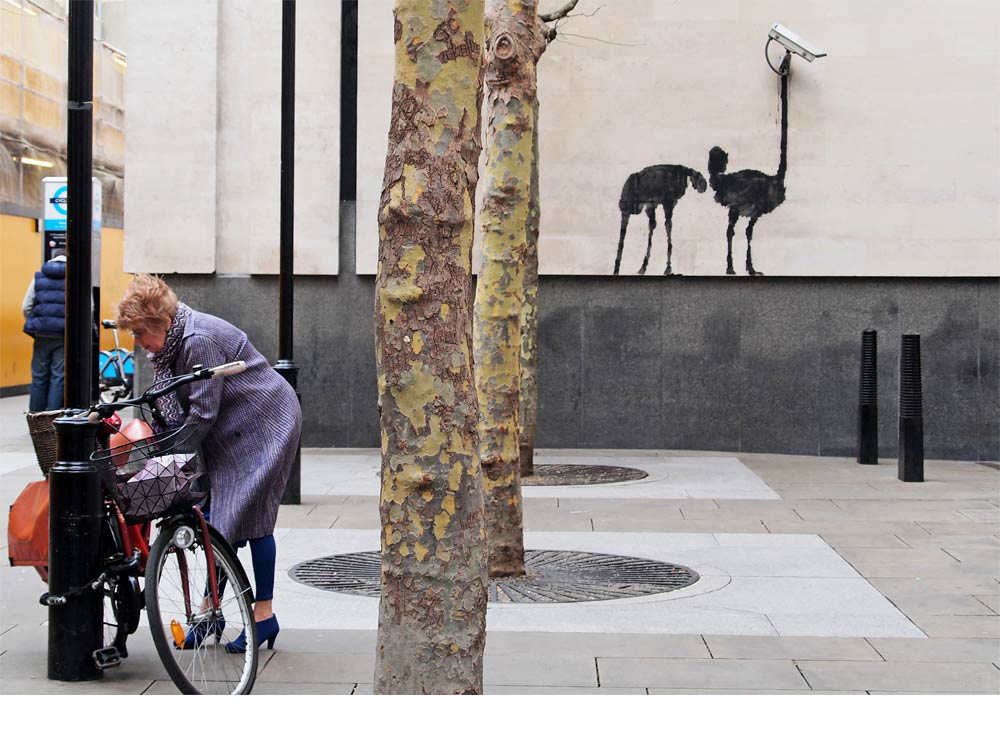
ngs11Lo hanno preso, anzi no. La noti­zia — subito smen­tita — dell’arresto del wri­ter Banksy – iden­ti­fi­cato come il tren­ta­cin­quenne di Liver­pool Paul Hor­ner (ma non era di Bri­stol?) ha comun­que fatto in tempo a pro­pa­garsi come un qual­siasi gos­sip nel vil­lag­gio digi­tale. Continue reading “Banksy: better out than in*”

Tracey Emin tra solitude e loneliness

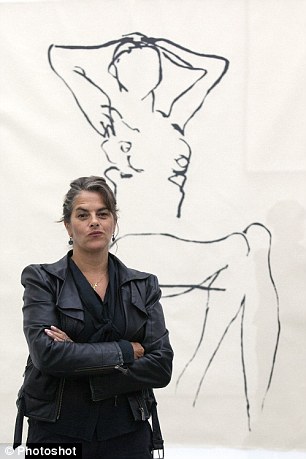
1413502876389_wps_13_London_UK_6_October_2014_-1L’immensità immacolata della White Cube Bermondsey t’inghiotte. La galleria di South East London ha le dimensioni di un museo: ci vuole fegato per riempirla con lavori di superfici limitate. Ma Tracey Emin è tutto fuorché pavida. Il minimo che ci si possa aspettare da un’artista che intitolò la sua prima mostra “La mia retrospettiva più importante”. Continue reading “Tracey Emin tra solitude e loneliness”

Zizek: felicità, categoria per schiavi

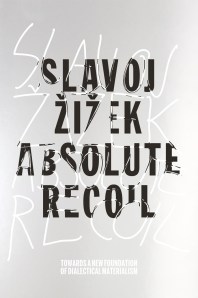
9781781686829-c7d2eddc016118e4fe340d5756263aa6Vivieen Sanchbraj asks:

“Is happiness important these days? How can we be happy? What steps do you suggest?”

Slavoj Zizek
08 October 2014 2:25pm

Happiness was never important. The problem is that we don’t know what we really want. What makes us happy is not to get what we want. But to dream about it. Happiness is for opportunists. So I think that the only life of deep satisfaction is a life of eternal struggle, especially struggle with oneself. We all remember Gordon Gekko, the role played by Michael Douglas in Wall Street. What he says, breakfast is for wimps, or if you need a friend buy yourself a dog, I think we should say something similar about happiness. If you want to remain happy, just remain stupid. Authentic masters are never happy; happiness is a category of slaves.

(Online Guardian Q&A with the Slovenian philosopher. Il resto del pirotecnico scambio è qui.)

Il suo ultimo libro, Absolute Recoil: Towards a New Foundation of Dialectical Materialism, è appena uscito per i tipi di Verso.

Open society, free schools, screwed students

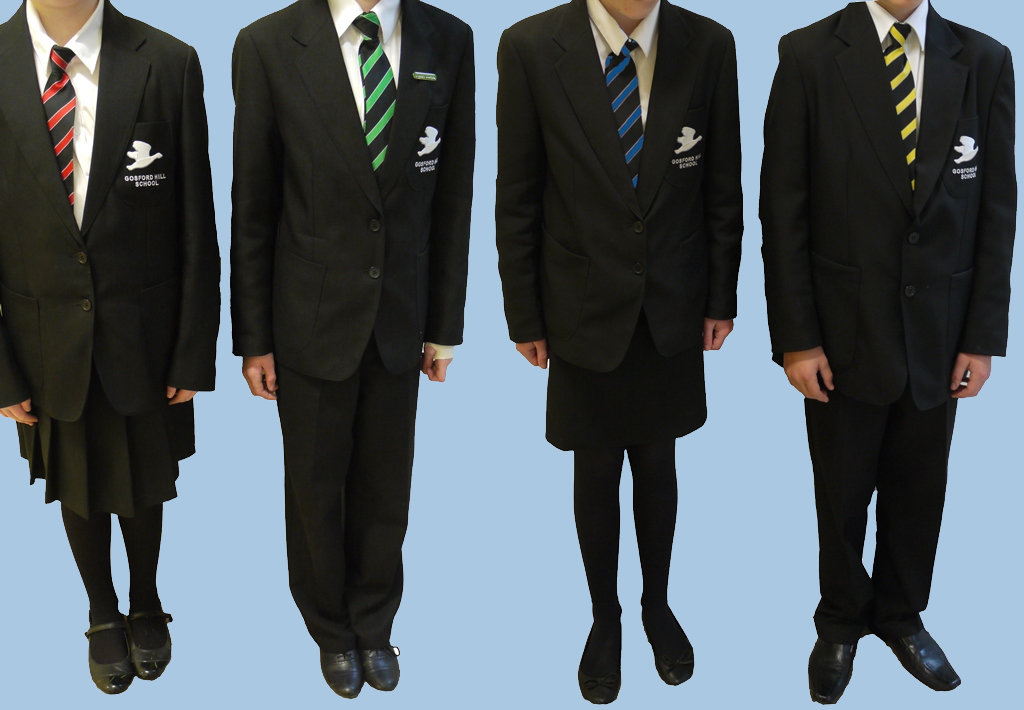
Una delle caratteristiche salienti dell’assetto scolastico britannico dal secondo dopoguerra è la condotta quasi del tutto bipartisan tenuta nei suoi confronti da Tories e Labour. Una quasi unanimità, scaturita inizialmente dal consenso fordista basato sul welfare, che è passata indenne attraverso l’era thatcheriana e la privatizzazione – quando non il completo smantellamento – dello stato sociale che vi ebbero luogo.

Continue reading “Open society, free schools, screwed students”

Creepy mission, mission creep

481 sì contro soltanto 43 no. Qualche astensione. Questa volta si va, la Royal Air Force è pronta a lanciare i Tornado. Cameron ha mietuto una schiacciante maggioranza nel voto parlamentare di venerdì pomeriggio sul via libera ai bombardamenti in Iraq. Dietro di lui, compatta la coalizione Tory Lib-dem, con a rimorchio il Labour di Miliband.

Sei bombardieri della Raf di stanza a Cipro, che hanno effettuato voli di ricognizione sull’Iraq del Nord nelle ultime settimane, sono pronti a colpire nello spazio di ore. Per ora ci si limita all’Iraq: Ed Miliband non intende allineare il Labour al consenso su attacchi aerei anche alla Siria e Cameron avrebbe potuto subire nuovamente l’imbarazzante sconfitta dell’anno scorso. Senza una risoluzione dell’Onu, sulla quale i russi eserciterebbero di certo il proprio veto, Miliband non intende muoversi.

Poche, durante la seduta, le voci discordanti. Come quelle di Diane Abbott, deputato per la circoscrizione londinese di Hackney, e quella di George Galloway, il deputato di Respect. Ma lo stesso arcivescovo di Canterbury, l’ex banchiere Justin Welby, si è espresso a favore. In linea teorica non c’era nemmeno bisogno di richiamare il parlamento: Cameron poteva decidere autonomamente l’intervento. Ma la memoria della famigerata invasione nel 2003, tra le cause principali della catastrofe mediorientale nella quale gli Usa e la Gran Bretagna stanno scivolando nuovamente, obbligava almeno l’osservanza della forma.

Un sondaggio condotto dall’agenzia YouGov per conto del Sun, le cui prime pagine di questi giorni sbavano vendetta, dimostra che la maggioranza dell’opinione pubblica è incline all’intervento aereo. Più del 57% si è detto favorevole ai bombardamenti in Iraq, mentre il 51% li estenderebbe alla Siria. Favorevole a una vera e propria invasione militare è il 43%. Cameron è forte del consenso civile scatenato dalle odiose immagini delle decapitazioni di cittadini inglesi americani e francesi delle ultime settimane.

Un altro ostaggio britannico, il tassista volontario Alan Henning, è nelle mani del «Califfato»: la mobilitazione di varie personalità religiose musulmane britanniche potrebbe non essere sufficiente a salvargli la vita. Significativo il lessico da tregenda rimbalzato in questi ultimi giorni: «Sono terroristi psicopatici che cercano di ucciderci» ha detto Cameron.

In un crescendo di retorica grandguignolesca i militanti delll’Isis sono descritti come psicopatici, rivoltanti, atroci, mostruosi, indicibili, velenosi e satanici. Ha aggiunto che ci vorranno anni e non mesi per schiacciare lo Stato Islamico. È evidente che, se potesse, opterebbe senza alcun dubbio anche per i «boots on the ground», l’impiego di truppe di terra. Un’ammissione fatta nel corso del suo intervento, nel quale ha definito l’operazione come necessaria alla difesa degli interessi nazionali.

Dietro questa anodina espressione da gergo diplomatico si nasconde la scottante questione dei cittadini britannici accorsi a combattere in Siria, un problema che se interessa tutta l’Europa – sarebbero 3000 i giovani musulmani europei coinvolti nella guerra civile – riguarda soprattutto la vasta popolazione islamica della Gran Bretagna.

Il cosiddetto «Jihadi John» il decapitatore numero uno apparso nei terrificanti video delle esecuzioni, ha un accento evidentemente inglese. Solo per questo l’attacco assumerebbe a sua volta i contorni di un’altra guerra civile.

Resta il fatto che non c’è un piano coerente nemmeno a medio termine in tutta l’operazione e che il rischio che i bombardamenti siano insufficienti a risolvere la situazione quando non del tutto controproducenti, provocando ulteriore destabilizzazione nella regione. Bombardare solo in Iraq è considerato insufficiente da coloro che sono favorevoli all’intervento e la prospettiva di un’escalation del coinvolgimento del Paese è tutt’altro che irrealistica, senza contare le possibili ricadute terroristiche nella madrepatria.

E la cosiddetta «mission creep», il timore evidente ci si stia nuovamente impelagando in un acquitrino dal quale rischia di non uscire se non ad altissimo prezzo, umano e politico, serpeggia fra i banchi di Westminster.

(il manifesto, 27-09-14)

Continue reading “Creepy mission, mission creep”